
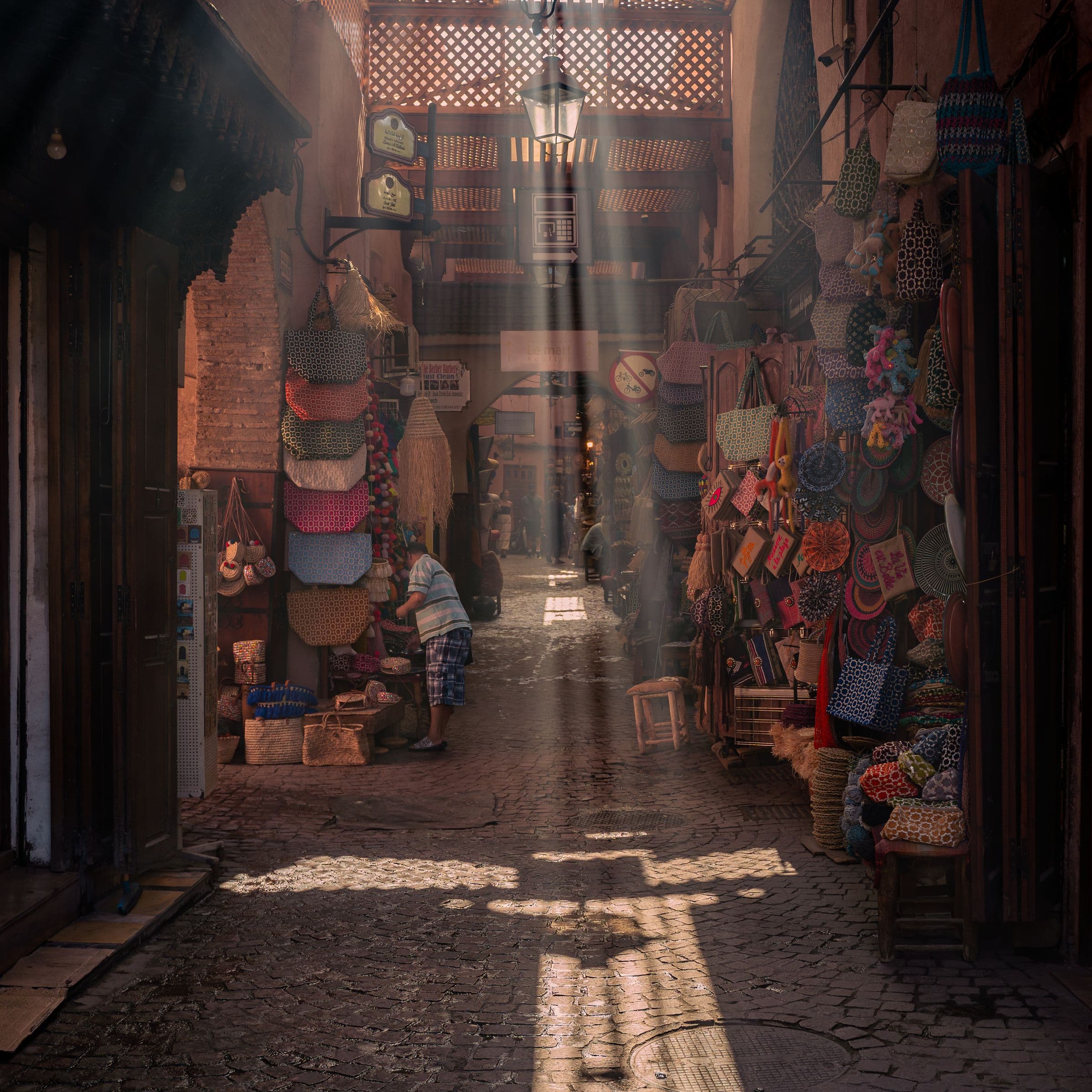
Why Moroccan Couscous Is More Than Just a Dish
· Khalid
Couscous is served in homes across Morocco every Friday, and it carries far more history and meaning than its reputation abroad as a quick side dish suggests.
Where it comes from
Couscous traces back to at least the 11th century, and is generally credited to the Amazigh (Berber) communities of North Africa, who developed it as a way of making semolina flour go further in the harsh conditions of the mountains and the desert. Over the centuries it absorbed influences from Arab traders, Andalusian refugees and, later, French colonists, becoming the spiced, colourful dish eaten today. In 2020, couscous was added to UNESCO's Intangible Cultural Heritage list.
How it's actually made
The base is medium-grain semolina, lightly moistened and hand-rolled into small pellets, then steamed rather than boiled — traditionally in a couscoussier, a two-part pot where a stew simmers in the base while the couscous steams above it, absorbing the rising flavour. Onion, garlic, olive oil and spices like turmeric, ginger, paprika and cumin build the base flavour, with vegetables and legumes added depending on the season.
Regional variations
Couscous bidaoui, the Casablanca style, pairs lamb or beef with carrots, courgette, pumpkin and chickpeas. Tfaya couscous is built around caramelised onions, raisins, cinnamon and toasted almonds. Seffa medfouna is a sweeter version, with meat "buried" beneath a topping of butter, sugar and cinnamon. Coastal cities like Essaouira make a version with fish, and royal couscous combines lamb, chicken and merguez sausage in one dish.
Why Friday matters
Couscous is traditionally served after Friday prayers, and the meal itself is part of the point — a large communal dish everyone eats from together, by hand, symbolising unity and generosity rather than just being lunch. The recipes, and the specific way a family makes theirs, are usually passed from mother to daughter over generations.
If you'd like to try it made properly rather than as an afterthought on a menu, ask us about a cooking class or a home-hosted meal on your tour — get in touch and we'll see what we can arrange.
This article touches on a UNESCO World Heritage Site: Medina of Essaouira.
See it in person on a day trip
Planning a trip to Morocco?
Every trip we run is private and built around you. See our journeys and day trips, or tell us what you have in mind.
More from the journal
All articles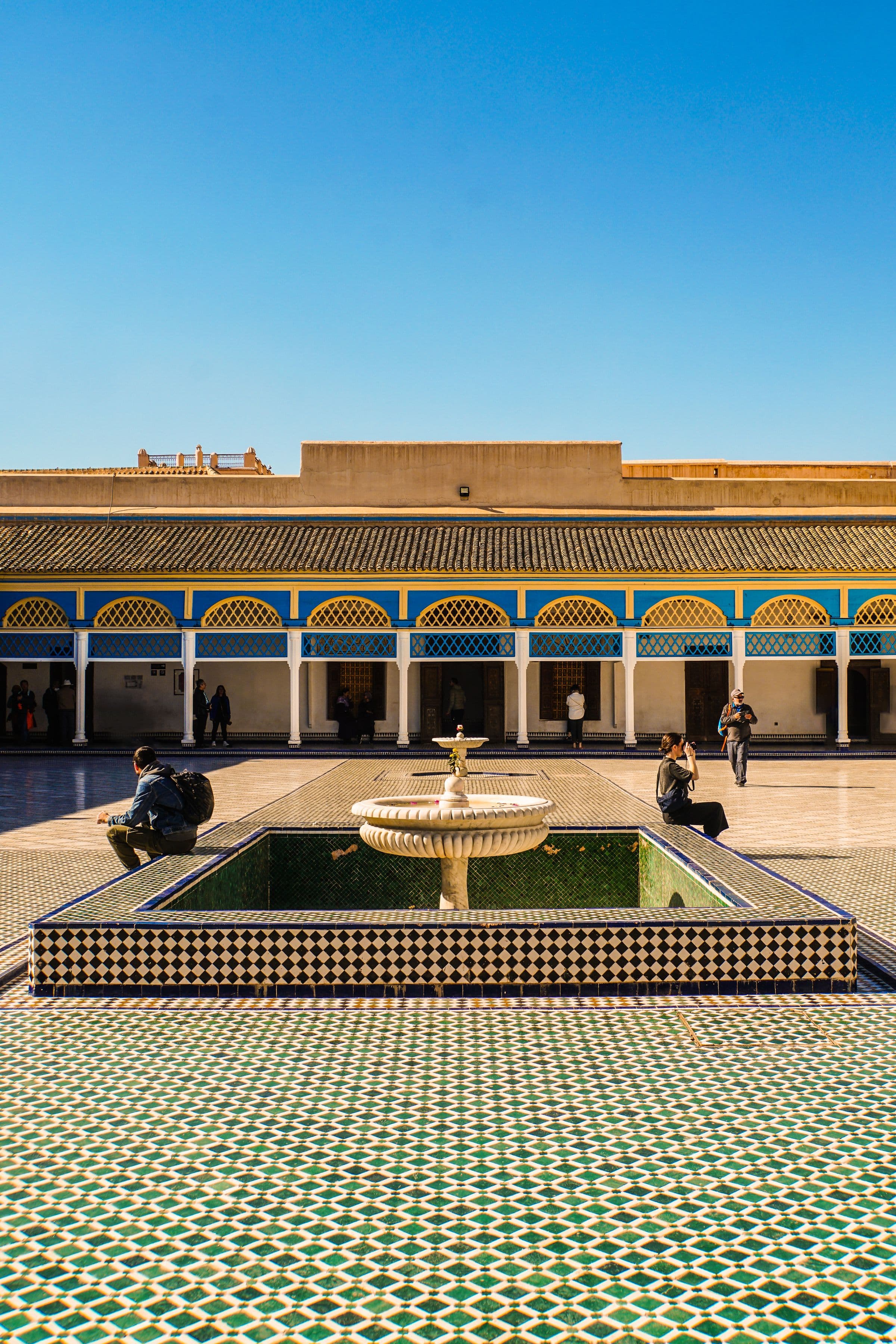 City guide
· Khalid
How to Walk Marrakech Like a Local
Beyond the Jemaa el-Fna — the specialist souks, the quieter neighbourhoods, and the everyday etiquette that makes exploring Marrakech on foot go smoothly.
Read more →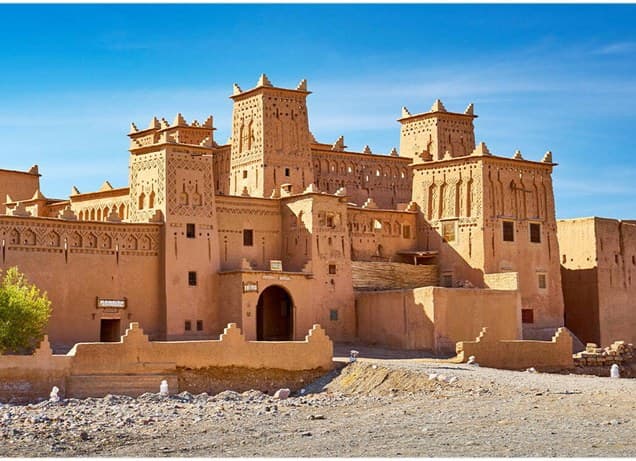 Culture
· Khalid
The Rose Valley of M'Gouna: Morocco's Valley of Roses
Once a year, the valley around Kelaa M'Gouna fills with Damask roses — hand-picked at dawn, distilled into rose water, and celebrated with a real local festival.
Read more →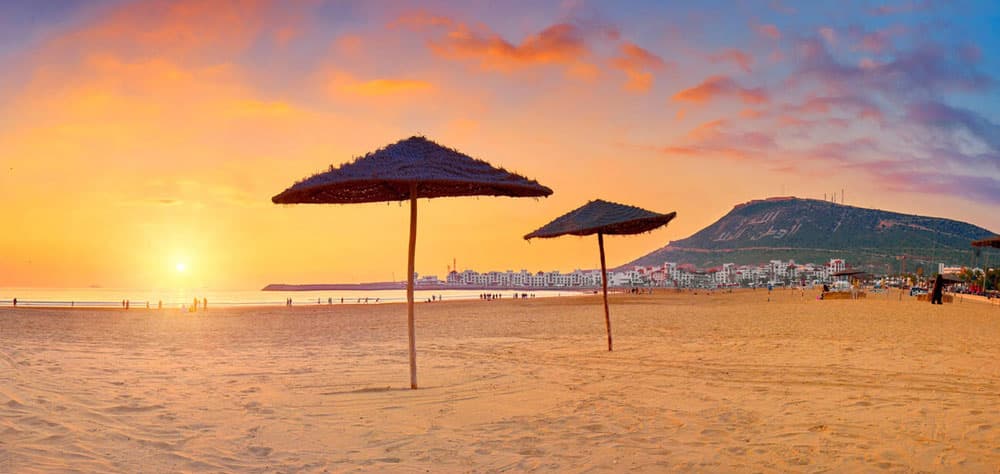 Coast
Coast· Khalid
Morocco's Best Beaches
From the sandstone arches of Legzira to the oyster lagoon at Oualidia — five of Morocco's best beaches, and what each one is actually good for.
Read more →