How to shop the souks — what to buy and how to bargain
· Khalid
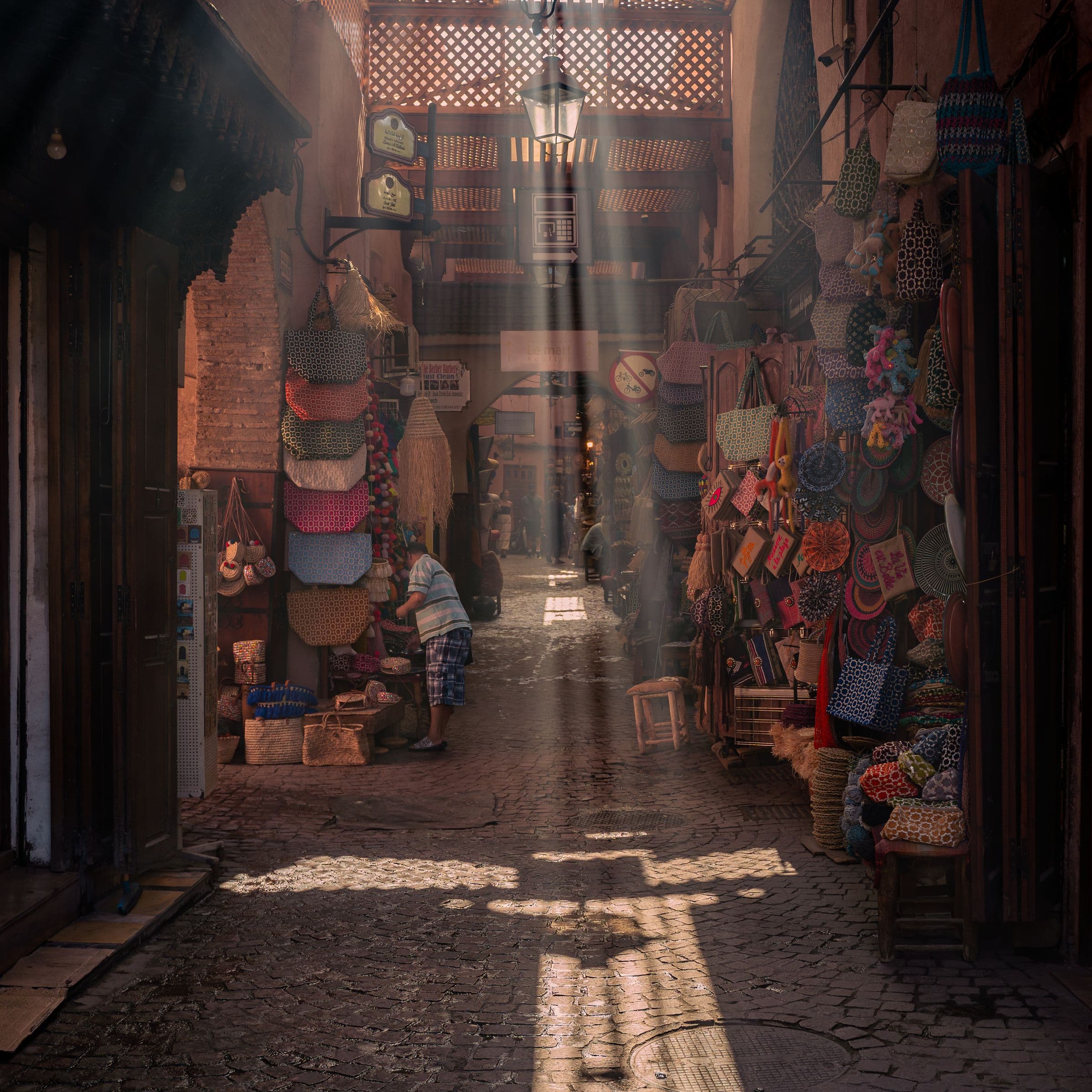
Every big Moroccan city has a souk worth losing an hour in — Marrakech around the Jemaa el-Fnaa, Fes around the tanneries, Essaouira and Casablanca each with their own. Bargaining puts a lot of people off, but it's a normal, friendly part of shopping here, not a confrontation. This is how we'd approach it.
What's worth buying, and where
- Carpets — the Beni Ourain style, woven by Berber communities in the Middle Atlas, is instantly recognisable: simple geometric black patterns on cream wool. Marrakech and Fes both have reputable dealers.
- Ceramics — Safi, on the Atlantic coast, is Morocco's pottery town, known for distinctive blue-and-white designs.
- Tilework and small zellige pieces — Fes is the centre of this craft; small tiled trays and mosaics travel home more easily than a full table.
- Leather — bags, poufs and babouche slippers, best bought in Fes near the tanneries or in Marrakech's leather souk.
- Argan oil — genuinely a Moroccan product, produced in the southwest around Essaouira and Agadir; look for cooperatives rather than roadside stalls for the real thing.
How to bargain
Start with a greeting — "Salam alaikum" goes a long way before any negotiating starts. From there, a fair opening offer is roughly half what's first asked, sometimes less, and you meet somewhere in the middle. It helps to know you can walk away; if the price isn't right, there's almost always a similar item a few stalls down. A few useful words: bzaf means "too much," qalil means "a little" (as in, come down a little), and mashi mzyan means "not good," useful for turning down quality as well as price.
A few practical tips
- Go early morning or early evening — the souks are cooler and calmer, and shopkeepers have more time to talk.
- Wear comfortable shoes; the cobbled lanes are uneven.
- Carry small notes — change for large bills isn't always easy to find.
- Keep bags and valuables zipped and in front of you in the busiest lanes, as in any crowded market.
- Buy what you actually like at a price you're happy with, rather than chasing the "best" deal — that's the only rule that actually matters.
Our Marrakech and Fes sightseeing day trips both build in proper time in the souks with a local guide, which makes the bargaining easier too. Tell us what you're hoping to find and we can point you toward the right stalls.
This article touches on 2 UNESCO World Heritage Sites: Medina of Marrakesh, Medina of Essaouira.
See it in person on a day trip
Planning a trip to Morocco?
Every trip we run is private and built around you. See our journeys and day trips, or tell us what you have in mind.
More from the journal
All articlesCulture· Khalid
Why Moroccan Couscous Is More Than Just a Dish
Couscous traces back to Berber communities at least a thousand years ago, and was recognised by UNESCO in 2020 — here's the history behind Friday's family meal.
Read more →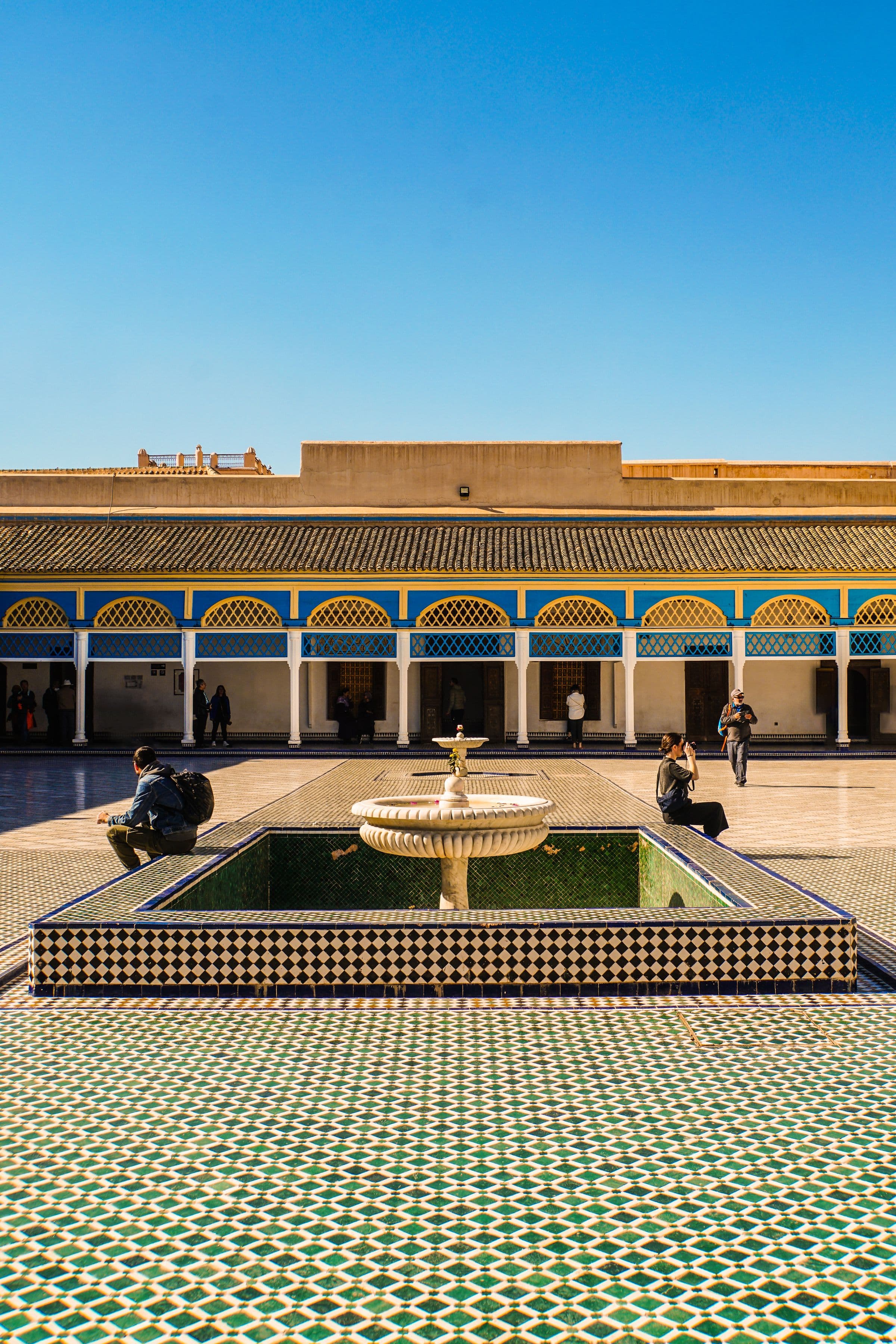 City guide
· Khalid
How to Walk Marrakech Like a Local
Beyond the Jemaa el-Fna — the specialist souks, the quieter neighbourhoods, and the everyday etiquette that makes exploring Marrakech on foot go smoothly.
Read more → Culture
· Khalid
The Rose Valley of M'Gouna: Morocco's Valley of Roses
Once a year, the valley around Kelaa M'Gouna fills with Damask roses — hand-picked at dawn, distilled into rose water, and celebrated with a real local festival.
Read more →